
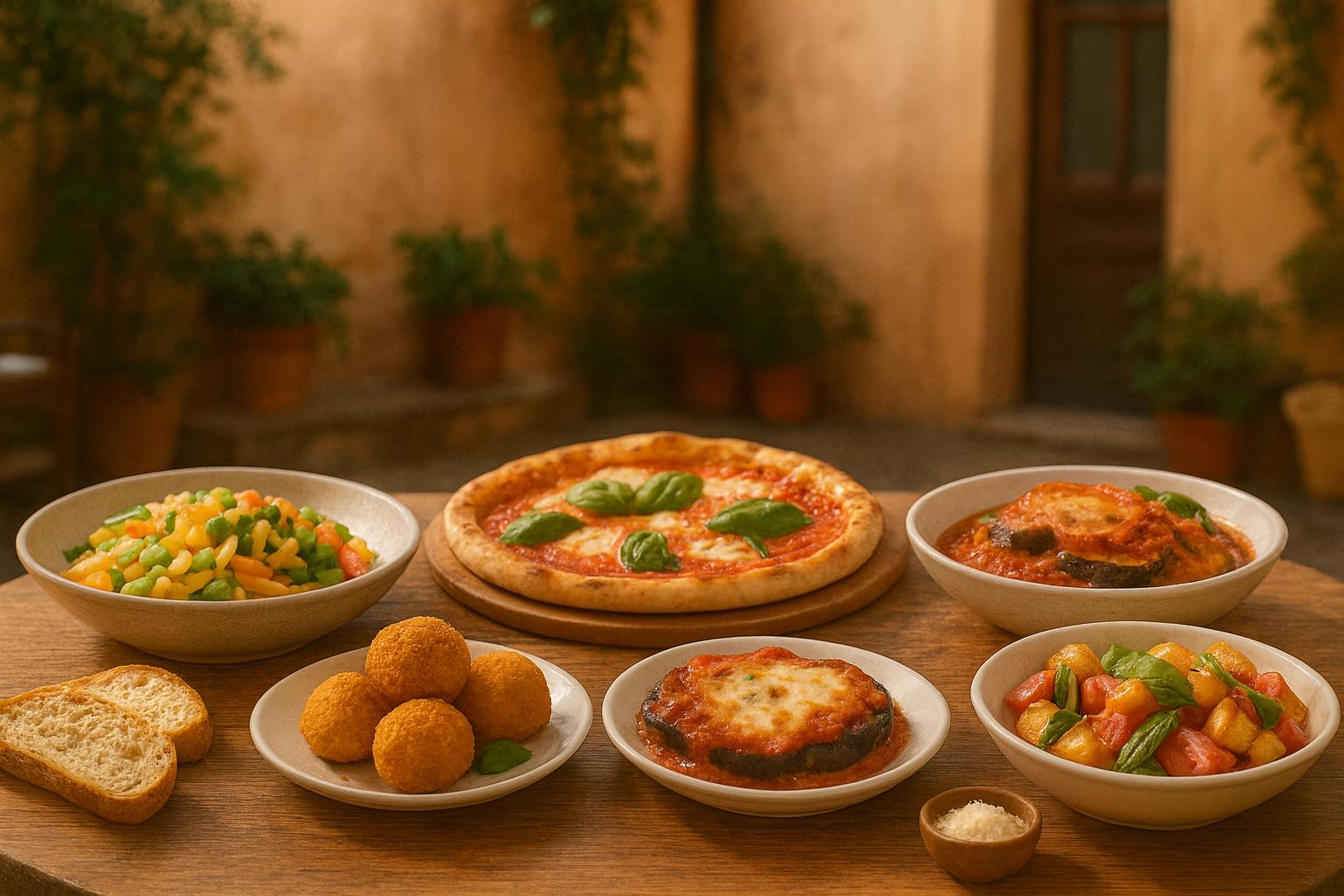
Do you think you know Italian food? You’ve had a slice of pepperoni, maybe a plate of spaghetti with meatballs? Great. But honestly, you’ve only scraped the surface.
Real Italian cuisine isn’t just one type of food. It’s a collection of 20 distinct, incredibly localized cuisines. What they eat in the cold, truffle-rich North is wildly different from the sun-drenched, olive-oil-heavy South. They don’t have “national dishes” so much as great regional pride.
When you land in Italy, you have to eat like a local—and that means understanding the geography on your plate. Forget the huge, confusing menus back home. Get ready for simple, high-quality ingredients, often only three or four, that somehow taste like a miracle.
Here is your straightforward, no-fuss Italian tour package guide to the best things you absolutely must try, region by region. It’s time to give your taste buds the vacation they deserve.
Key Details: Your Quick Reference Guide
To recap, if you are looking for authenticity and the ultimate flavor, here are the non-negotiables:
| Region | Must-Try Dish | Flavor Profile |
| Lazio (Rome) | Carbonara / Cacio e Pepe | Salty, creamy, rich cheese, and black pepper heat. |
| Campania (Naples) | Neapolitan Pizza / Sfogliatella | Fresh tomato, smoky crust, bright lemon, sweet ricotta. |
| Emilia-Romagna | Tagliatelle al ragù / Prosciutto | Long-cooked, rich meat, delicate cured pork, and egg pasta. |
| Tuscany (Florence) | Bistecca alla Fiorentina / Ribollita | Simple seasoning, robust beef, and hearty vegetable soup. |
| Sicily | Cannolo / Granita | Sweet cream, fried shell, icy fresh fruit, and sweet & sour eggplant. |
| Puglia | Orecchiette con Rapa / Burrata | Rustic pasta, bitter greens, fresh, creamy cheese. |
I. Rome & Lazio: The Simple Perfection of Pasta
If you’re in Rome, you must be on the lookout for certain specific pasta restaurants near me. These are not saucy, heavy affairs. They rely on the intense flavor of cured pork jowl (Guanciale), Pecorino Romano cheese, and fresh-cracked black pepper. That’s it. Keep it simple. Keep it real.
| Dish | Key Ingredients | Must-Know Detail |
| Cacio e Pepe | Pecorino Romano, Black Pepper, Pasta Water | The purest Roman classic. Just cheese and pepper emulsified into a creamy sauce with starchy pasta water. |
| Carbonara | Egg Yolk, Guanciale, Pecorino, Black Pepper | No cream allowed. The heat of the pasta cooks the egg yolks into a velvety sauce. The guanciale (cured pork jowl) is non-negotiable—it’s better than pancetta. |
| Bucatini all’Amatriciana | Guanciale, Tomato, Pecorino, Chili | Adds San Marzano tomato to the Guanciale and Pecorino base. Often served with Bucatini (thick, hollow spaghetti). |
Don’t forget the Roman street food. Grab a slice of Pizza al taglio, which is thick, rectangular pizza sold by weight and cut with scissors. It’s fast, fresh, and perfect for a snack while sightseeing. And for breakfast? Search for Italian restaurants near me and order Maritozzo: a soft, sweet, leavened bread roll split and stuffed with a ridiculous amount of whipped cream.
II. Campania & The Coast: Where Pizza Was Born
The Campania region, home to Naples and the Amalfi Coast, is all about the sun, the sea, and the best dairy products on the planet.
The Holy Trinity of Campania
- Neapolitan Pizza (Pizza Napoletana): If you ever Google Italian pizza near me, make it Naples. It has a thin center, a high, puffy, leopard-spotted crust (called the cornicione), and is cooked in a scorching hot oven for 60 to 90 seconds. Try the Margherita—simple tomato, mozzarella, basil—because simplicity highlights the quality of the ingredients. It’s a must.
- Mozzarella di Bufala: This cheese, made from the milk of water buffalo, is richer, creamier, and has a slight tang compared to cow’s milk mozzarella. It’s a regional specialty, and the only way to eat it is fresh, maybe in an Insalata Caprese (tomato, mozzarella, basil).
- Limoncello: After dinner, they bring out this intensely sweet, lemon-flavored liqueur, traditionally made from the enormous, fragrant Sorrento lemons. It’s icy cold, vibrant yellow, and a perfect digestivo (digestif).
If you visit the Amalfi Coast, order Spaghetti alla Nerano. It’s a simple, classic dish made with pasta, fried zucchini, and grated Parmigiano Reggiano. It sounds basic, but the way the fried zucchini softens and combines with the cheese is pure magic.
III. Northern Italy: Butter, Meat, and Egg Pasta
The food in Northern Italy is much heartier, reflecting a cooler climate and a more affluent history that allowed for the use of expensive ingredients like butter and egg yolks.
Emilia-Romagna: The Food Valley
This region is often called the culinary heart of Italy. Everything here is centered on quality, from aged balsamic vinegar to cured meats.
- Tagliatelle al ragù: Forget “Spaghetti Bolognese.” That doesn’t exist here. The real deal is a hearty, slow-cooked meat sauce (ragù) served with thick, fresh egg pasta like Tagliatelle. It sticks to the noodle perfectly.
- Tortellini in brodo: Tiny, ring-shaped pasta filled with meat and served in a clear, flavorful chicken or beef broth. It’s a comforting winter dish, often considered the pride of Bologna.
- Prosciutto di Parma & Mortadella: You must try Prosciutto di Parma right where it’s cured. It’s delicate, sweet, and melts on your tongue. Mortadella (the original bologna) is savory, peppered, and flavored with pistachios.
Lombardy & Piedmont: Rice and Refinement
Up near Milan, the focus shifts to rice and veal.
- Risotto alla Milanese: This is the Milan dish. It’s rice (Italy is a huge rice producer) cooked slowly with rich broth and famously flavored with saffron, which gives it a vibrant yellow hue.
- Cotoletta alla Milanese: A famous veal cutlet, traditionally cooked bone-in and fried in clarified butter. It’s crisp on the outside, tender on the inside, and nothing like a standard schnitzel.
- Agnolotti del Plin (Piedmont): These are tiny, “pinched” ravioli, typically filled with roasted meat. They are traditionally served al tovagliolo (in a napkin) with only the meat’s own rich jus (sauce). This is high-end peasant food.
IV. The Southern Isles: Seafood, Spice, and Sweets
Head down to the islands of Sicily and the heel of Italy, Puglia, for seafood-focused dishes and an intense love affair with deep-fried sweets.
- Puglia: The Land of the Ear Puglia, the heel of the boot, is known for its cucina povera (poor cuisine) traditions, relying heavily on simple wheat and vegetables.
- Orecchiette con le cime di rapa: This is Puglia’s signature dish. Orecchiette, meaning “little ears,” is a pasta shaped to catch the sauce. It’s served most famously with cime di rapa (broccoli rabe/turnip greens), garlic, and chili flakes. Simple, sharp, and delicious.
- Burrata: A must-try cheese. It’s essentially a fresh mozzarella shell filled with cream and small pieces of curd (stracciatella). When you cut it open, the creamy interior oozes out. Eat it fresh, right off the boat.
- Panzerotti: Small, fried calzones, often filled with tomato and mozzarella. A popular street food snack, served piping hot and greasy in the best way.
- Sicily: Arabic Influences and Desserts
Sicilian food is a rich blend of Italian tradition with Greek and Arabic flavors, especially visible in its world-class desserts.
- Cannolo Siciliano: This is the iconic Sicilian sweet. It’s a tube of fried, crispy pastry shell filled with sweet, creamy ricotta cheese, often studded with chocolate chips or candied citrus peel.
- Granita: Forget sorbet. Granita is an incredibly refreshing semi-frozen dessert made from ice, sugar, and fruit/nut flavors like lemon, almond, or pistachio. It’s often served with a warm, soft brioche for dipping—the ultimate summer breakfast.
- Pasta alla Norma: A classic vegetarian pasta dish featuring large pieces of fried eggplant, tomato sauce, and topped with shaved, salty ricotta salata cheese.
- Caponata: A sweet and sour eggplant dish, cooked with celery, onions, olives, and capers. It is served as an appetizer or a side dish and is a perfect example of the island’s flavor profile.
V. Tuscany: Soup and Steak
Tuscany, with its rolling hills and high-quality livestock, is known for its rustic soups and incredible meats.
- Bistecca alla Fiorentina: The true Florentine steak. It’s a massive T-bone cut from local Chianina cattle, typically served extremely rare (almost blue). They usually show you the raw cut first. It’s seasoned simply with salt and olive oil and is usually meant to be shared between two people. You don’t order it well-done. Seriously.
- Ribollita: This is the original Tuscan peasant food. It’s a thick, hearty soup made from stale bread, cannellini beans, kale, and other vegetables, often re-boiled (hence the name) to make it even thicker. It’s comforting and packed with flavor, drizzled with fresh olive oil.
- Cantucci with Vin Santo: For dessert, try Cantucci (almond biscuits, similar to biscotti) dipped in Vin Santo, a sweet dessert wine. The cookies are hard, but soaking them in the wine makes them delightful.
VI. The Sweet Finish & Drinking Rituals
Beyond the regional specialties, a few things hold Italy together, and most of them involve coffee or sugar.
Desserts Found Everywhere (But Done Best Here)
- Gelato: The Italian version of ice cream. It is denser, uses less cream, and is churned more slowly, resulting in a lower fat content and a richer flavor concentration. You must try multiple flavors—Pistachio, Hazelnut (Nocciola), and Coffee (Caffè) are always fantastic.
- Tiramisù: A dessert with Venetian origins, this classic is made from ladyfingers soaked in strong espresso, layered with a mixture of whipped mascarpone cheese, and dusted with cocoa powder. The name literally means “pick me up.”
The Rules of the Italian Coffee & Drink
Italians have strict rules about what and when they drink. Follow them to avoid getting a confused stare.
- Cappuccino is Breakfast Only: Never order a cappuccino or latte after 11 AM, or certainly not after a meal. Milk is considered a morning-only beverage. Stick to simple rules: Espresso or Caffè for a quick shot, or Macchiato (espresso “stained” with a dash of milk).
- The Aperitivo Hour: This is the ritual of a pre-dinner drink meant to stimulate the appetite. Usually between 6 PM and 8 PM, you order a cocktail like an Aperol Spritz (Aperol, Prosecco, soda) or a glass of wine, and it often comes with free snacks (chips, olives, small sandwiches). It’s a great way to socialize and snack before your proper dinner.
- Wine: Italy has thousands of indigenous grape varieties. Don’t worry about trying to find the “best” wine. Just order the house wine (Vino della casa) or a local variety from the region you are currently in. When in Tuscany, drink Chianti. When in Veneto, drink Prosecco. It will always be good and cheap.
Go forth and eat. Be adventurous, ask questions, and accept the simple fact that the best Italian food you will ever taste is found in the hidden local trattoria, not the tourist trap. Enjoy the Italian tour package. It’s worth every single bite.